Vending & micromarkets
Support quick card and contactless payments where speed, reliability, and compact device placement matter.
Lubao helps merchants and operators evaluate Payroc-powered unattended payment options, including compatible devices, payment workflows, integration needs, pricing paths, and setup considerations before the application.
Where unattended payments fit
Unattended payments allow customers to complete a transaction through a machine, kiosk, station, or self-service device. The right setup depends on the physical environment, customer flow, connection type, software integration, transaction size, and pricing strategy.
Support quick card and contactless payments where speed, reliability, and compact device placement matter.
Help customers pay at washers, dryers, kiosks, or value-load stations without staff handling each transaction.
Evaluate payment devices for gates, kiosks, pay stations, unattended lots, and garage checkout workflows.
Match payment acceptance to throughput, lane flow, memberships, and outdoor equipment needs.
Plan for self-service transactions where uptime, connectivity, and a clear customer payment experience matter.
Support admissions, attractions, self-checkout, ordering stations, and other kiosk-based payment workflows.
What Lubao helps clarify
For self-service payments, the device is only one part of the decision. The merchant also needs to think through placement, environment, connectivity, software, reporting, security, and pricing-program fit.
Device examples
These devices are a practical starting point for unattended discussions. Final availability, compatibility, pricing, and approval depend on the merchant, integration, processor configuration, inventory, and applicable agreements.
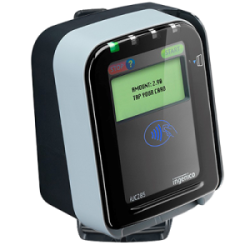
Compact externally mounted payment module for unattended environments.
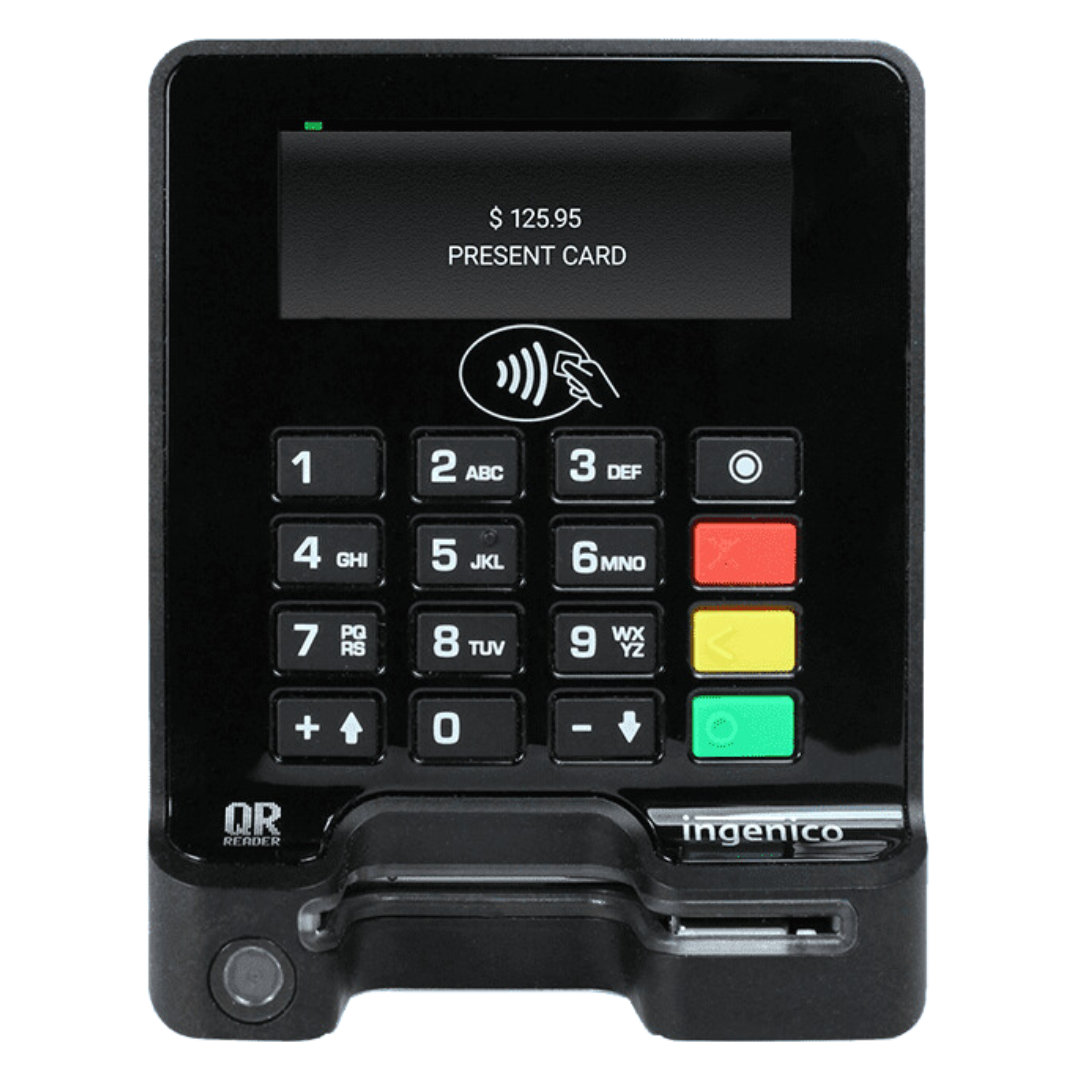
Self-service payment device for kiosk and unattended checkout environments.
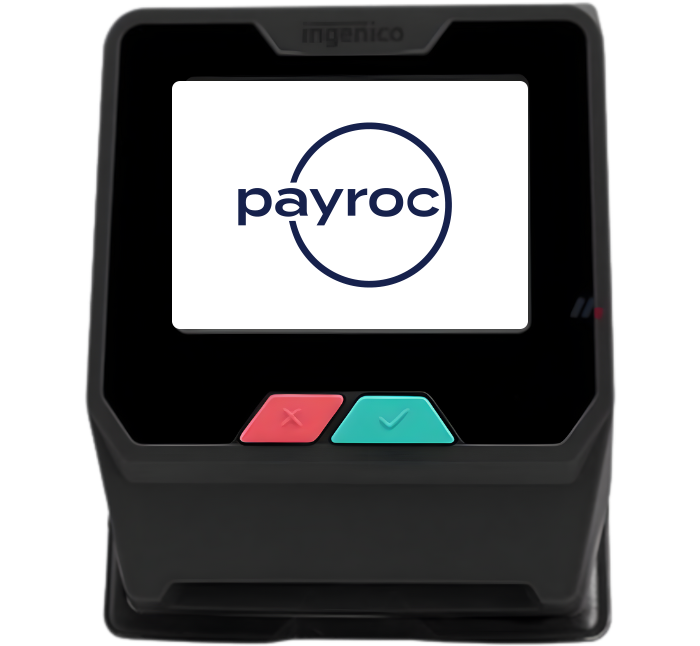
Compact unattended device for indoor and outdoor payment environments.
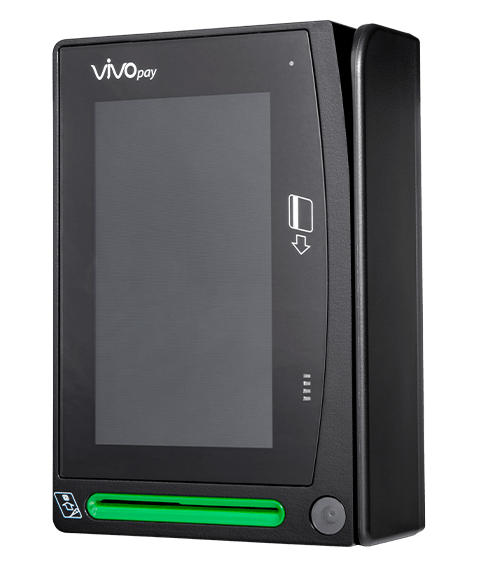
Touchscreen unattended payment device with broad card acceptance.
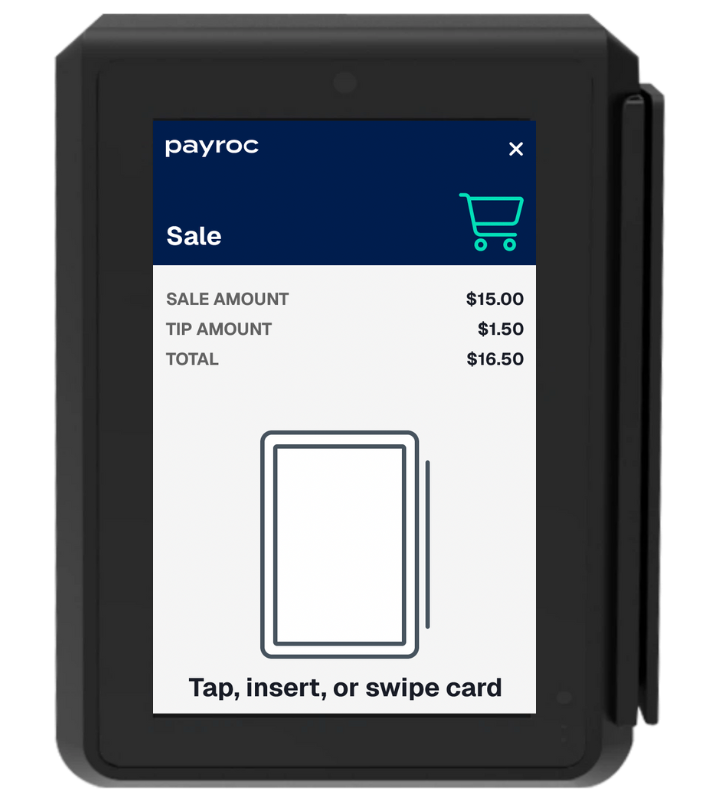
All-in-one touchscreen payment device for unattended use cases.
Setup factors
Before choosing hardware, it helps to identify the business model and transaction flow. A car wash lane, vending machine, laundry kiosk, parking gate, and ticketing station may all need different setups.
Outdoor environments may require stronger durability, mounting, weather considerations, security, and connectivity planning.
Some devices are better suited for external mount, flush mount, kiosk panel integration, or machine-mounted use.
Wi-Fi, cellular, Bluetooth, wired, and platform integration needs can narrow which devices are realistic.
Some merchants only need a payment device. Others need a deeper connection to kiosk, POS, membership, parking, or machine software.
Unattended operators may need clear transaction visibility by machine, location, lane, station, or unit.
Unattended payments need careful attention to PCI, encryption, installation, data handling, and supported processor configuration.
Pricing path
Unattended payments are often high-volume, repeatable, and customer-facing. That makes pricing strategy important. Lubao can help compare traditional processing, shared-cost programs, or dual-pricing-style approaches when eligible and appropriate.
The merchant absorbs processing costs. This may be the cleanest customer experience, especially for small-ticket or fast-moving environments.
Some programs may help reduce part of the merchant’s cost while preserving a familiar checkout experience, subject to eligibility and approval.
Some merchants may want to show a cash price and card price. These options require careful review of rules, customer experience, signage, and program availability.
Start with the workflow. Lubao can help narrow the likely Payroc-powered device path, pricing-program direction, and next steps before you complete a deeper merchant application.
Lubao LLC is an independently owned and operated business and a representative of Payroc. Lubao does not independently approve merchant accounts, guarantee equipment availability, provide legal advice, or control underwriting decisions. Merchant services are subject to approval, program availability, applicable agreements, and supported processor, gateway, device, and partner configurations.